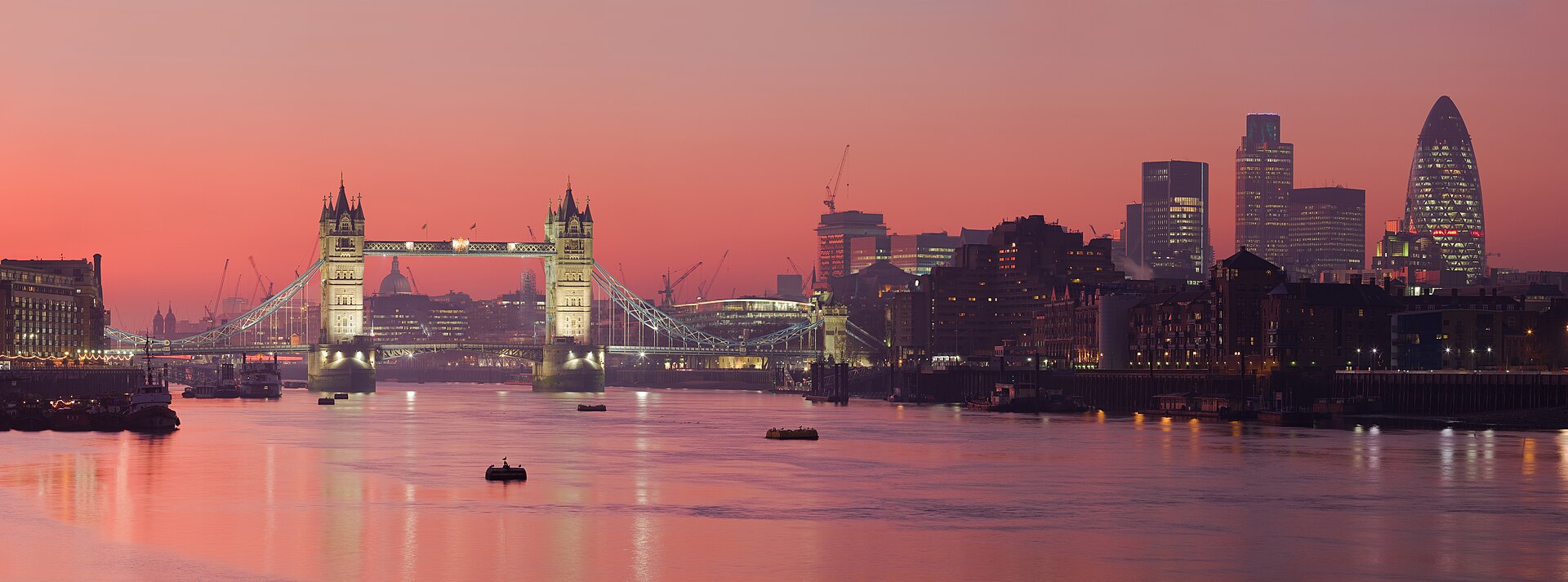
Study in the UK
One-year master's degrees, two-year graduate visa, and universities that employers everywhere recognise.
Why students choose the UK
The UK packs a full master's into twelve months and a bachelor's into three years, which cuts the total cost of studying abroad more than any scholarship can. Degrees are quality-assured by the Office for Students and QAA, teaching is in English, and the Graduate Route lets you stay and work for two years without a sponsor. It is also the destination we know best: Oasis is based in Birmingham and our counsellors have walked most of these campuses.
Intakes
Main intake. Widest course choice, most scholarships, apply by June or earlier.
Second intake at most post-1992 universities and many Russell Group master's. Apply by October.
Smaller intake for business, computing and management programmes at a handful of universities.
What international students study in the UK
After you graduate
The Graduate Route lets you stay for two years after a bachelor's or master's (three after a PhD) to work at any skill level, without a job offer in hand. From there many students move to a Skilled Worker visa. Rules are reviewed often, so we confirm the current position with you before you apply.
Graduate Route
2 years after a bachelor's or master's, 3 years after a PhD. Unsponsored. You can work in any job or be self-employed. Apply from inside the UK before your student visa ends.
Part-time work
20 hours a week in term time, full time in vacations. Wages of £10.00 to £12.21 an hour (National Minimum and Living Wage rates).
Employment by sector
Health and social care (high), Software, data and AI (high), Engineering and construction (high). Full picture.
What it costs to study in the UK
Living costs of £1,000 to £1,400 a month outside London; £1,500 to £2,000 in London. Tuition of £12,000 to £26,000 for undergraduate and £14,000 to £30,000 for postgraduate study. Medicine, dentistry and MBAs run higher, often £30,000 to £50,000.
| Monthly cost | Typical range |
|---|---|
| Accommodation | £500 to £900 outside London, £900 to £1,400 in London |
| Food and groceries | £150 to £250 |
| Transport | £50 to £120 (student railcards and bus passes help) |
| Utilities and phone | £60 to £120 (often included in halls) |
| Health | Covered by the NHS after paying the Immigration Health Surcharge with your visa |
Fees and costs are indicative for the 2026/27 cycle, change with exchange rates and policy, and should be confirmed with the university or the relevant government before you decide.
Student visa
Documents you will need
- Confirmation of Acceptance for Studies (CAS) from your university
- Passport
- Proof of funds held for 28 consecutive days
- English test or degree in English, as your CAS states
- TB test certificate if you live in a listed country
- ATAS certificate for some science and engineering master's
Funding for international students in the UK
| Scholarship | What it offers | Who awards it |
|---|---|---|
| Chevening | Fully funded one-year master's for future leaders. Very competitive, needs two years of work experience. | UK Government |
| Commonwealth Master's Scholarships | For students from eligible Commonwealth countries in development-related subjects. | CSC |
| GREAT Scholarships | £10,000 towards a one-year master's at participating universities, by country. | British Council |
| University merit scholarships | Automatic fee reductions of £2,000 to £5,000 for strong grades at most universities we work with. No separate application at many. | Universities |
| Early payment and alumni discounts | 5 to 10 percent for paying fees early or having a family member who studied there. | Universities |
the UK in eight facts
Over 160 universities and higher education providers, from 900-year-old Oxford to universities founded this century.
A 16-25 Railcard cuts a third off most train fares.
Most halls include all bills and internet in the rent.
International students can open a UK bank account with a passport and a proof-of-address letter from the university.
The academic year normally runs from late September to June.
UK degrees are graded First, 2:1, 2:2 and Third; many employers ask for a 2:1.
Term-time work of 20 hours a week is written on your visa; the university will also cap it.
Council tax is waived for full-time students.
Where to study in the UK


Universities we work with in the UK

Birmingham City University
Birmingham, United Kingdom · Modern university (university status 1992)

Loughborough University
Loughborough, United Kingdom · Campus university (university status 1966)

University of Brighton
Brighton, United Kingdom · Modern university (university status 1992)

Leeds Beckett University
Leeds, United Kingdom · Modern university (university status 1992)

Abertay University
Dundee, United Kingdom · Modern university (university status 1994)

Edinburgh Napier University
Edinburgh, United Kingdom · Modern university (university status 1992)
Everything else about studying in the UK
Student visa
How to get a United Kingdom student visa: fees, funds, documents and timeline
Cost of studying
What it costs to study in the UK: tuition, living and one-off fees
Cost of living
Monthly cost of living for students in the UK
Scholarships
Scholarships for international students in the UK
Work after graduation
Working in the UK during and after your degree
Education system
How the British education system works
Student life
Student life in the UK: housing, work, weather and culture
Best student cities
Best cities to study in the UK
Exams required
Which exams you need to study in the UK
Master's degrees
Studying a master's in the UK
Studying in the UK: what students ask
How much study gap is accepted for a UK master's?
Most universities accept a gap of two to five years if you can explain it: work, family, an exam attempt, or a business. Gaps longer than that are still possible with relevant work experience. We help you write the explanation the university and the visa officer both want to see.
How much money do I need to show for a UK student visa?
Your first year's tuition fees (minus anything already paid) plus living costs of £1,483 a month in London or £1,136 elsewhere for up to nine months. The money must sit in your or your parents' account for 28 days before you apply. Education loans from recognised lenders are accepted.
Can I get permanent residence after studying in the UK?
Not directly from a student visa. The usual path is Student visa, then Graduate Route, then a Skilled Worker visa with an employer, and after five years on qualifying visas you can apply for settlement. The rules changed in 2025 and may change again, so treat this as the current picture, not a promise.
Do I need IELTS for the UK?
Many universities accept a Medium of Instruction letter, or your school English marks, instead of IELTS, especially for students from India, Nigeria, Ghana and Kenya. Others insist on IELTS, PTE or the Duolingo English Test. We check each course before you spend money on a test.
Ready to plan the UK?
A counsellor who knows this country's rules builds you a shortlist and a timeline. Free.