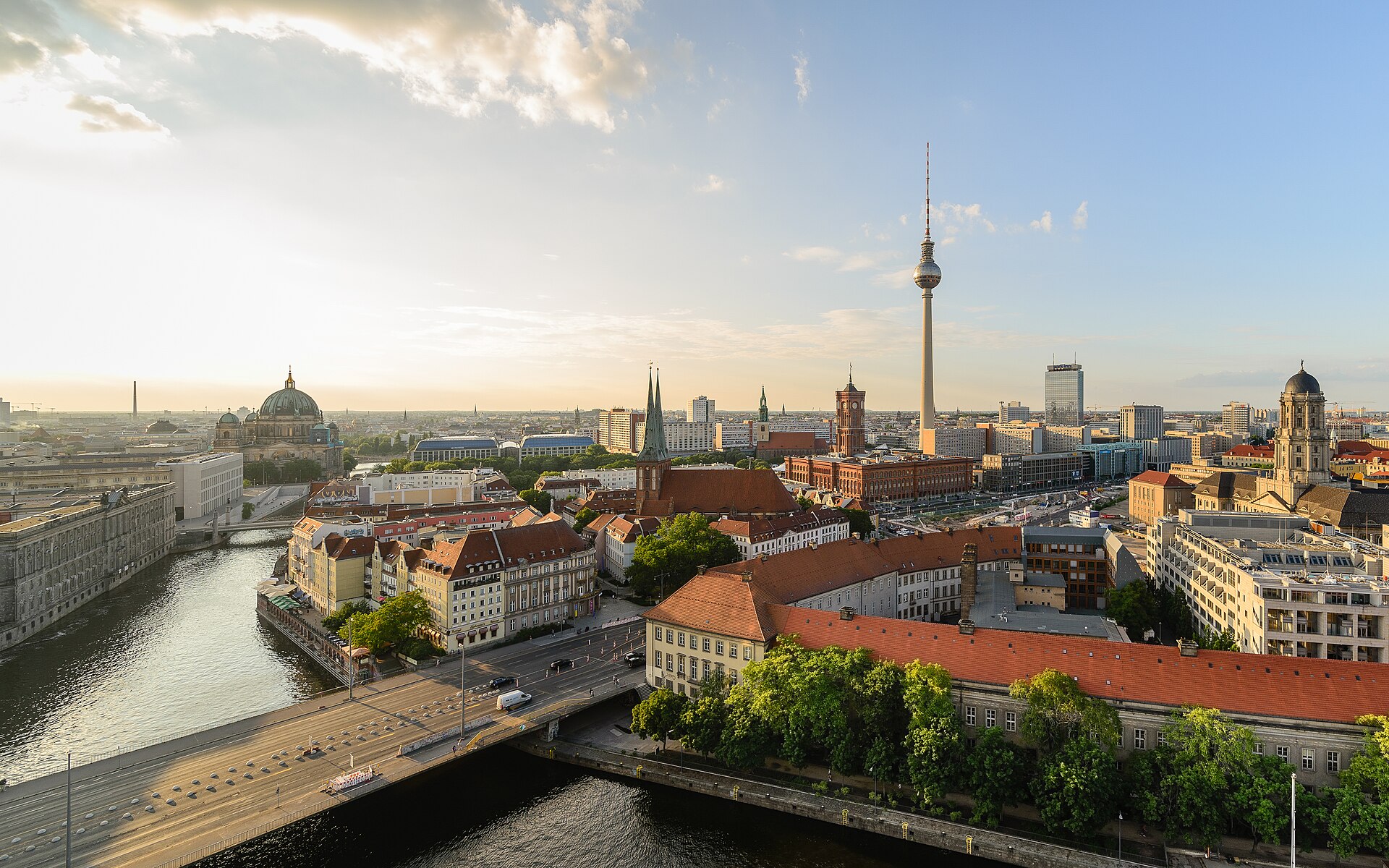
Study in Germany
No tuition fees at most public universities, hundreds of English-taught master's, and an 18-month job-seeker permit after graduation.
Why Germany
Germany is the destination where the numbers work: public universities charge no tuition to international students in most states, engineering and science are world class, and graduates get 18 months to find a job in Europe's largest economy. The trade-off is process. Admission is document-heavy, the blocked account must be funded before the visa, and outside the university a working knowledge of German opens far more doors.
Strong subjects
Intakes and deadlines
| Intake | What to know |
|---|---|
| Winter semester (October) | Main intake. Apply by 15 July, earlier for many English-taught master's (March to May). |
| Summer semester (April) | Fewer programmes. Apply by 15 January. |
Working while you study
140 full days or 280 half days a year (about 20 hours a week in term). Minimum wage €12.82 an hour minimum wage (2025).
What it costs
Indicative figures for 2026/27. €950 to €1,400 a month; the blocked account is set at €992 a month
| Tuition | A year |
|---|---|
| Undergraduate | €0 to €3,000 at public universities (Baden-Württemberg charges €1,500 a semester to non-EU students) |
| Postgraduate | €0 to €5,000 at public universities; €10,000 to €30,000 at private universities |
| Living cost | A month in € |
|---|---|
| Accommodation | €350 to €750 (student halls cheapest, Munich highest) |
| Food and groceries | €200 to €300 |
| Transport | Often included in the semester ticket; Deutschlandticket €63 otherwise |
| Utilities and phone | €80 to €130 |
| Health insurance | About €130 a month for students under 30 on public insurance |
Student visa
- Apply through uni-assist or directly to the university; get the APS certificate first if required
- Open and fund the blocked account once admitted
- Book a visa appointment at the German mission; waits can be months, so book early
- Attend the appointment with originals; processing takes 4 to 12 weeks
- Register your address and convert to a residence permit within 90 days of arrival
Visa rules change without much notice. Everything here is checked against the official guidance, but confirm the current position before you apply. We do that with you as part of the application.
Universities in Germany
Open one to see courses, fees, entry requirements and intakes.
Questions students ask
Is education really free in Germany for international students?
At most public universities, yes: no tuition, only a semester contribution of €150 to €400. Baden-Württemberg charges non-EU students €1,500 per semester and some master's programmes are classified as continuing education and charge fees. Private universities charge full fees.
Do I need to speak German?
Not for admission to an English-taught programme, but daily life, part-time jobs and most graduate roles reward at least B1 German. We recommend starting a course before you fly.
How much is the blocked account?
€11,904 for the 2025 cycle, which releases €992 a month. The figure is updated most years in line with the student loan rate.
Thinking about Germany?
Send us your results and your budget. We will tell you what you can get into, and what it will really cost.