Seven countries. Pick on the numbers, not the brochure.
Cost, language, length of course and what happens after you graduate are the four things that decide it. Everything below is written down so you can compare rather than guess.
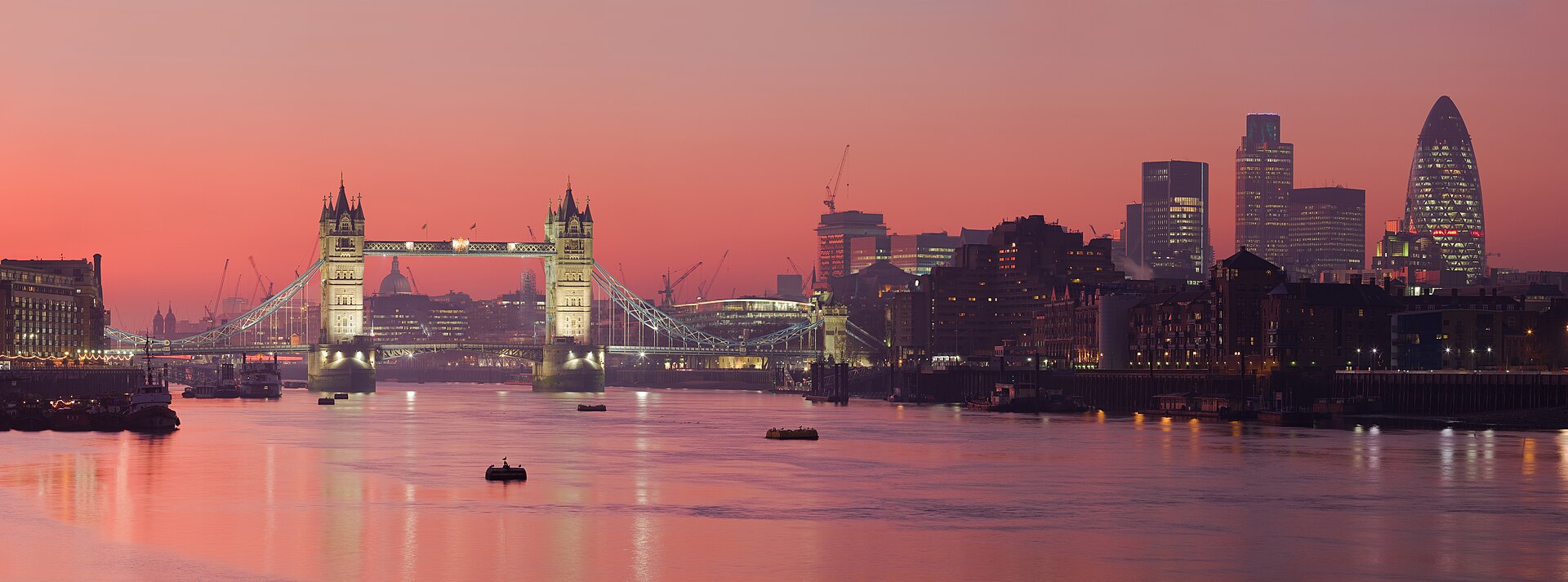
Study in the UK. One-year master's, a two-year graduate visa, and degrees employers everywhere recognise.

Study in France. Public fees under €4,000 a year, English-taught master's, and twelve months to find work.
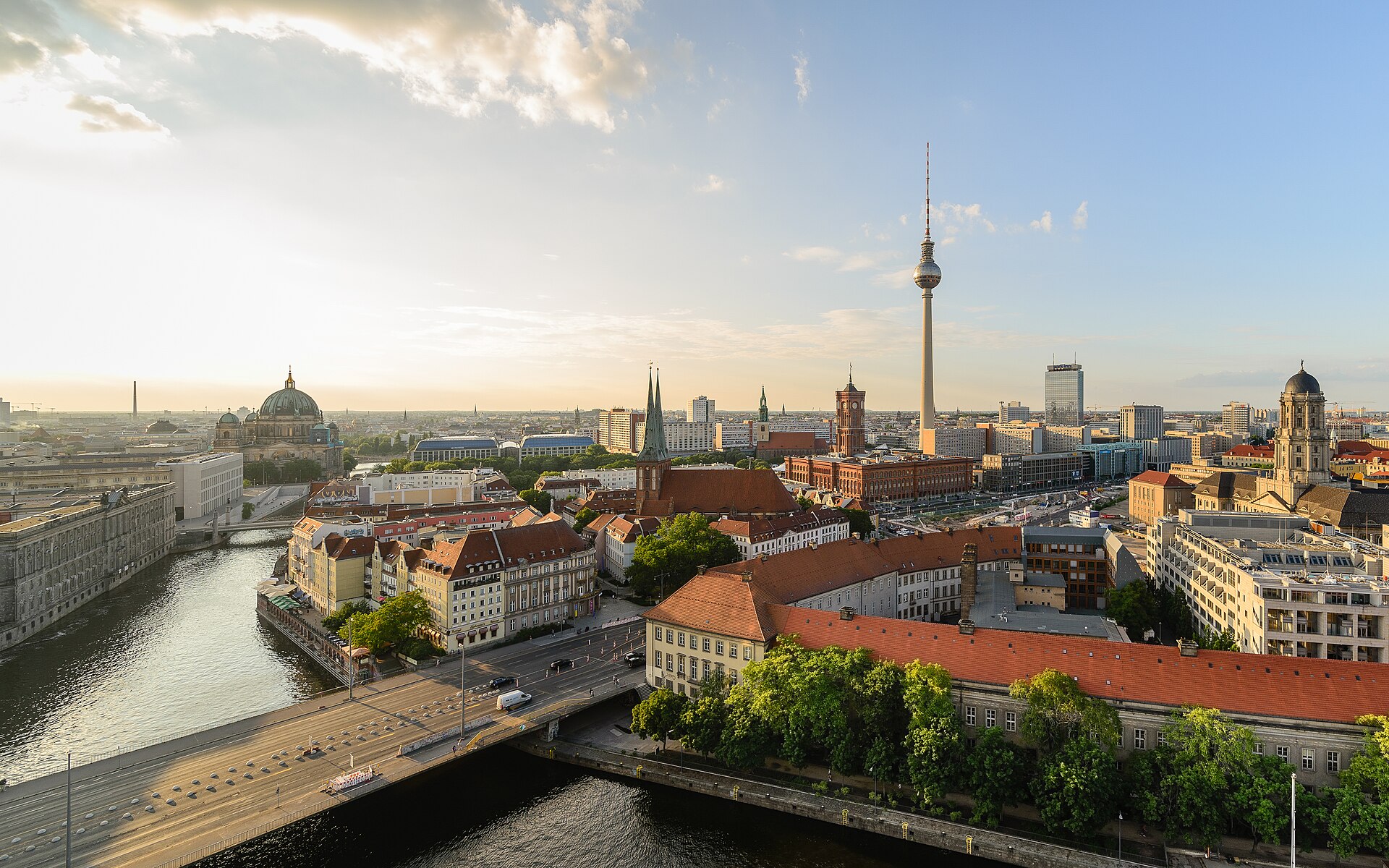
Study in Germany. No tuition fee at public universities and eighteen months to find a job after you graduate.
Compare the three
Postgraduate figures for 2026/27. Indicative, and always confirmed with the university before you apply.
| Country | Tuition a year | Living cost a month | Work while studying |
|---|---|---|---|
| United Kingdom | £14,000 to £30,000 | £1,000 to £1,400 a month outside London; £1,500 to £2,000 in London | 20 hours a week in term time, full time in vacations |
| France | €3,879 a year at public universities; €10,000 to €25,000 at grandes écoles and business schools | €800 to €1,200 a month outside Paris; €1,200 to €1,800 in Paris | 964 hours a year (about 60 percent of full time), which allows roughly 20 hours a week |
| Germany | €0 to €5,000 at public universities; €10,000 to €30,000 at private universities | €950 to €1,400 a month; the blocked account is set at €992 a month | 140 full days or 280 half days a year (about 20 hours a week in term) |
| Ireland | €10,000 to €25,000 | €1,100 to €1,800 a month, with Dublin at the top of the range | 20 hours a week in term, 40 hours a week in June to September and mid-December to mid-January |
| United States | US$20,000 to US$60,000 | US$1,300 to US$2,800 a month depending on the city | 20 hours a week on campus during term; off-campus work needs CPT or OPT authorisation |
| Canada | CA$17,000 to CA$35,000 | CA$1,300 to CA$2,300 a month depending on the city | 24 hours a week off campus during term, full time in scheduled breaks |
| Australia | A$25,000 to A$50,000 | A$1,800 to A$2,800 a month depending on the city | 48 hours a fortnight during term, unlimited in scheduled breaks |
After you graduate
The rule that matters most, and the one students most often get wrong.
United Kingdom
The Graduate Route lets you stay for two years after a bachelor's or master's (three after a PhD) to work at any skill level, without a job offer in hand. From there many students move to a Skilled Worker visa. Rules are reviewed often, so we confirm the current position with you before you apply.
Read moreFrance
After a master's you can apply for a 12-month Autorisation Provisoire de Séjour to find work; Indian nationals get 24 months under a bilateral agreement. A job at 1.5 times the minimum wage converts it to a talent or salaried residence permit.
Read moreGermany
After graduating you can extend your residence permit by 18 months to look for a job matching your qualification, and work any job meanwhile. Once employed you can move to an EU Blue Card or a skilled worker permit; permanent residence is possible after 21 to 27 months on a Blue Card with German language.
Read moreIreland
Under the Third Level Graduate Programme, master's and PhD graduates get a 24-month Stamp 1G permission to look for work and take a job without a permit; bachelor's graduates get 12 months. Many then move to a Critical Skills Employment Permit, which leads to long-term residence after two years.
Read moreUnited States
Optional Practical Training gives every graduate 12 months of work authorisation, and graduates of STEM-designated programmes can extend by 24 months. Many students move to an H-1B work visa from there. Curricular Practical Training also lets you do paid internships during the degree.
Read moreCanada
The Post-Graduation Work Permit (PGWP) matches your programme length up to three years and does not need an employer. Time worked on it counts towards Express Entry and Provincial Nominee Programmes. Since November 2024 college graduates need a programme in a field linked to labour shortages to qualify, so we check eligibility before you apply.
Read moreAustralia
The Temporary Graduate visa (subclass 485) lets you work full time for two years after a bachelor's or master's by coursework, or three after a research master's or PhD, without sponsorship. Regional campuses add an extra one to two years. Graduates in skilled occupations often move on to employer-sponsored or points-tested permanent visas.
Read moreImmigration rules change. Confirm the current position with the relevant government before you make a decision.
Not sure which of the three?
Send us your results and your budget. We will tell you which country fits, and why the other two do not.